November 13, 2026
Termites can cause significant damage to a home long before homeowners realize an infestation is present. These destructive pests feed on materials containing cellulose, including wood, drywall, and other structural components. Because they often work behind walls, beneath flooring, or inside foundations, identifying an infestation without professional help can be difficult. Even seemingly minor signs may indicate a much larger problem developing out of sight.
Protecting a property requires more than addressing visible termite activity. Professional inspections, appropriate treatment methods, and preventative measures all play important roles in keeping these pests from compromising a home's structural integrity. Understanding why qualified specialists should handle termite control can help homeowners make informed decisions about protecting their properties.
Understanding the Risks of Termite Infestations
Recognizing Different Termite Species and Their Behavior
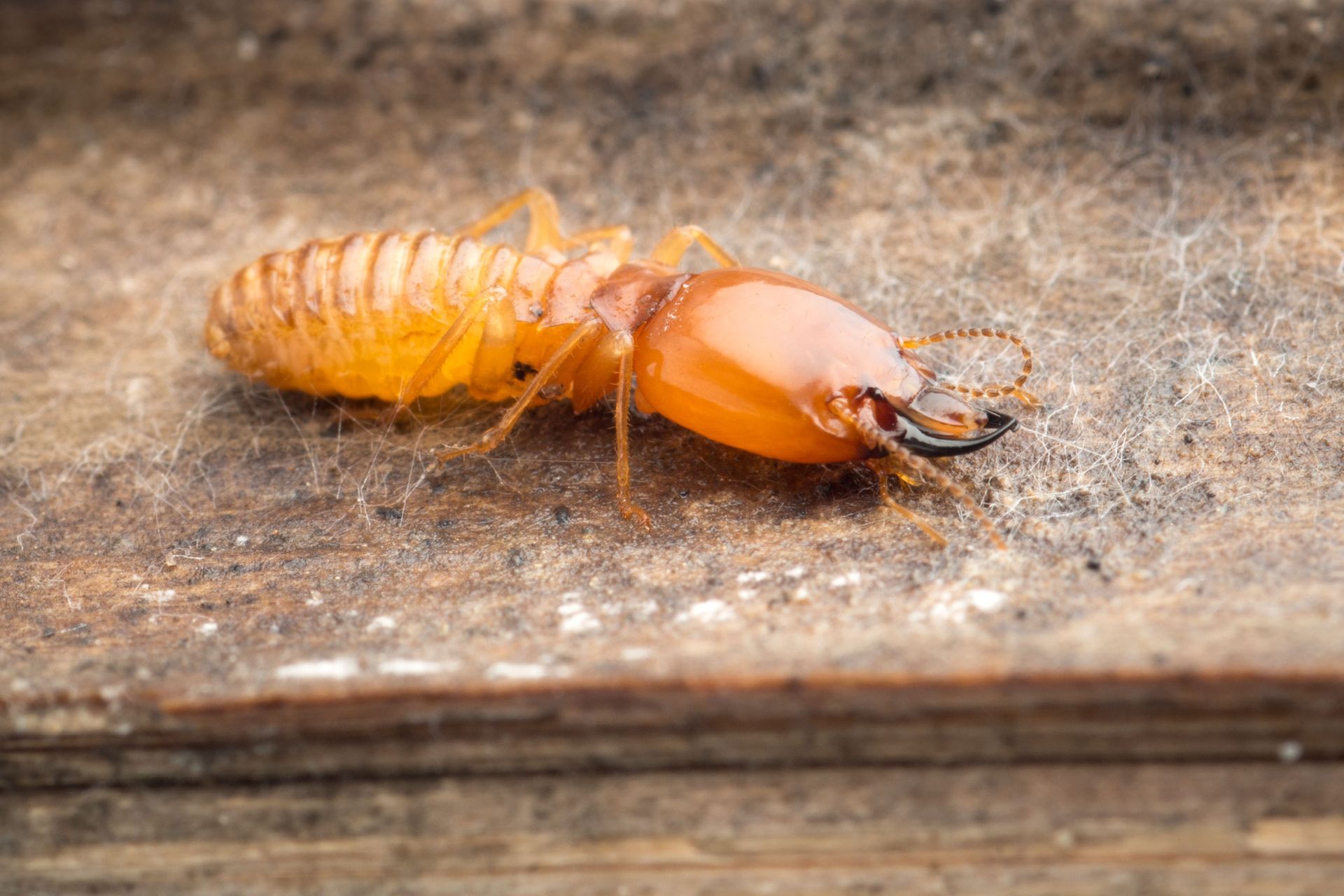
Not all termites behave the same way, and identifying the species involved is an important part of developing an effective treatment strategy. According to This Old House, subterranean and drywood termites are the two primary termite species responsible for infestations in U.S. homes. Subterranean termites typically establish colonies in soil and construct mud tubes to reach wooden structures, while drywood termites can live directly inside the wood they consume. These differences influence where professionals look for activity and which treatment methods are most appropriate.
Understanding termite behavior also helps explain why infestations can become difficult to manage. Termites live in organized colonies containing workers, soldiers, and reproductive members, with each group performing specific functions. Worker termites are responsible for gathering food and causing much of the structural damage. Because these insects remain active throughout the year under suitable conditions, an established colony can continue feeding even when homeowners see no obvious signs of activity.
Identifying Early Warning Signs of Structural Damage
One of the biggest challenges associated with termites is that their activity frequently remains hidden until noticeable damage develops. Homeowners might discover small mud tubes along foundation walls, discarded wings near windows, or wood that sounds hollow when tapped. Other warning signs include bubbling paint, sagging floors, damaged baseboards, and unexplained changes in wooden surfaces. Although these conditions can have other causes, they warrant further investigation by a qualified pest control professional.
Recognizing these warning signs early can make a substantial difference in limiting the extent of an infestation. Termites can weaken floor joists, support beams, wall framing, and other essential structural components as they feed. Left unaddressed, this damage may eventually require extensive repairs or replacement of affected materials. Professional termite control helps homeowners identify the source of the problem and determine whether the visible damage indicates a more widespread infestation.
Recognizing Why Professional Expertise Makes a Difference
Accurate Inspections and Customized Treatment Plans
Successfully eliminating termites starts with understanding the full extent of the infestation. Qualified technicians know where these pests commonly establish colonies and which areas of a property are most vulnerable. During a thorough inspection, professionals examine foundations, crawl spaces, basements, floor joists, wooden framing, and other potential hiding places. They also look for moisture problems, entry points, and environmental conditions that could encourage termite activity.
This detailed assessment allows technicians to distinguish between active infestations, previous termite damage, and conditions that may attract future colonies. Rather than relying on a generalized treatment approach, professionals use their findings to develop a plan suited to the property's construction and specific pest concerns. Effective termite control depends on selecting appropriate applications and targeting the areas where termites are living, feeding, and entering the structure. Without an accurate inspection, important portions of an infestation could remain untreated.
Protecting Household Members and Property
Another important reason to hire qualified specialists is the need to apply pest control products responsibly. Although professional treatments are designed for their intended use, improper handling or application can create unnecessary exposure risks for people, pets, and non-target organisms. Technicians receive training in product selection, application procedures, and safety precautions. They can also explain any preparation requirements or temporary restrictions homeowners should follow before and after treatment.
Professional termite control also helps protect the property from unnecessary disruption. Applying products without understanding the location of an infestation can result in ineffective coverage or damage to surrounding materials. Experienced technicians consider the home's layout, foundation type, and vulnerable structural components when determining how to proceed. They can recommend targeted applications that address the infestation while taking household safety and property conditions into account. This level of care is particularly important when treating areas that are difficult to access or located close to frequently used living spaces.
Maintaining Long-Term Protection Against Termites
Preventing Conditions That Attract Termites
Eliminating an existing colony is only one part of protecting a property. Homeowners should also address environmental conditions that make their homes attractive to termites. Moisture is a particularly important factor for subterranean species, which depend on suitable damp environments to survive. Leaking outdoor faucets, clogged gutters, poorly directed downspouts, and inadequate drainage can create moisture problems around foundations. Correcting these issues helps reduce the likelihood of termite activity developing near the structure.
Wood-to-ground contact is another concern that professionals frequently identify during inspections. Deck supports, fence posts, lumber piles, and other wooden materials touching soil can provide termites with convenient access to potential food sources. Storing firewood away from exterior walls, maintaining appropriate clearance between soil and wooden siding, and avoiding excessive mulch accumulation near foundations can also help reduce risks. A qualified technician can identify these vulnerabilities and recommend practical improvements that complement professional treatments.
The Importance of Monitoring and Follow-Up Services
Termite protection should not end immediately after an initial treatment. Depending on the application method, infestation severity, and property conditions, additional inspections or follow-up services may be necessary to evaluate treatment effectiveness. Professionals can check bait stations, examine previously affected areas, and look for evidence of renewed activity. Routine monitoring also provides opportunities to identify new vulnerabilities before termites cause substantial damage.
Ongoing termite control gives homeowners a more comprehensive approach to managing these persistent pests. Even when an existing infestation has been eliminated, surrounding colonies or newly developing entry points may create additional concerns. Regular professional assessments help identify changes around foundations, crawl spaces, and other susceptible areas. Technicians can also determine whether existing protective measures remain effective or require attention. Maintaining a consistent inspection schedule makes it easier to address emerging problems before they become expensive structural issues.
Preserving Structural Integrity and Property Value
Beyond the immediate cost of pest treatment, termite damage can have significant consequences. Compromised framing, weakened floor supports, and damaged wooden components may affect a property's stability and require significant restoration work. These problems can also complicate real estate transactions, particularly when buyers request wood-destroying insect inspections or documentation of previous infestations. Having professional inspection records and evidence of completed treatments can help demonstrate that termite concerns have been properly addressed.
Qualified termite control specialists can also help homeowners understand when structural repairs are necessary. While eliminating termites prevents continued feeding, it does not automatically restore wood that has already been damaged. Professionals can identify affected areas and recommend appropriate repairs to address compromised materials. Combining effective treatment with necessary restoration helps protect the home's condition and long-term value. These steps are far more effective than waiting until visible structural problems make intervention unavoidable.
Investing in professional termite control gives homeowners a more comprehensive way to address existing infestations and reduce future risks. By working with experienced specialists and maintaining regular inspections, property owners can protect their homes from costly damage and preserve their structural integrity. Contact Healthy Home Pest Control & Services to schedule a professional termite inspection and protect your home from costly structural damage.