October 13, 2026
Understanding how to identify common household pests is crucial for maintaining a safe and healthy living environment. This comprehensive guide will equip you with the essential knowledge to recognize various pests, understand their behaviors, and take initial steps toward effective control. Frequent intruders like ants, cockroaches, rodents, spiders, termites, and bed bugs each present unique challenges to your living space. Left unchecked, these organisms can cause health hazards, structural damage, and stressful living conditions throughout your home. Knowing when to rely on professional pest control companies can mitigate these risks before they escalate into major financial losses.
Identify Common Ant Species
Ants are among the most frequent household invaders, regularly entering living spaces in search of food and water sources. Species such as carpenter ants, pavement ants, and odorous house ants frequently establish large nests inside wall voids and structural timbers. Carpenter ants pose a serious threat to property because they excavate wood to build their nesting galleries, while odorous house ants release a pungent smell when crushed. Recognizing these specific species helps homeowners implement proper control measures early. Many homeowners ultimately choose to hire pest control companies to safely eliminate entire colonies from their foundations.
Spot Early Signs of Ant Infestation
Identifying an ant problem early relies on recognizing scout ants as they search kitchen counters and pantries for leftover scraps. Distinct trails of workers moving back and forth between food sources signal an active nest inside or directly outside the residence. You might also discover small piles of sawdust or soil near baseboards, indicating structural nesting activity within the walls. Because ants easily enter through microscopic gaps in doors and windows, regular property checks are critical. Early detection allows you to address the problem before calling pest control companies becomes an absolute necessity.
Understand Ant Social Behaviors
Ants operate as complex social insects that rely on strict hierarchies and division of labor within their established colonies. They communicate using intricate pheromone trails, which allow worker ants to lead hundreds of nestmates directly to discovered food supplies. These omnivorous pests consume proteins, sugars, fats, and starches, making almost any kitchen pantry an ideal target. Because their populations grow exponentially, a minor intrusion can rapidly transform into a massive infestation within days. Understanding these communication habits helps homeowners disrupt trails and prevent further indoor foraging.
Apply Ant Prevention Methods
Preventing ant infestations requires eliminating accessible food and standing moisture while sealing potential structural entry points. Keeping kitchen surfaces thoroughly clean, sweeping up crumbs, and storing food in airtight containers effectively removes primary attractants. Homeowners should also seal exterior cracks, repair damaged screen doors, and caulk around plumbing penetrations to block access. When minor infestations occur, targeted bait traps can help reduce small foraging groups near entryways. Combining proper sanitation with structural maintenance creates a strong defense against recurring insect intrusions.
Know When to Seek Help
Persistent ant infestations that resist DIY treatments usually indicate a hidden, mature colony established deep within structural walls. Professional exterminators accurately identify species and utilize specialized treatments that target the main queen to ensure complete elimination. These experts utilize commercial-grade solutions that are far more effective than standard store-bought chemical sprays. Professional oversight saves time and prevents unnecessary structural damage caused by wood-destroying species. Reputable pest control companies offer ongoing maintenance programs that guarantee year-round protection for your entire home.
Recognize Indoor Cockroach Species
Cockroaches are highly resilient pests that thrive in warm, humid areas like kitchens, bathrooms, basements, and laundry rooms. Common species include the German cockroach, American cockroach, and Oriental cockroach, each displaying unique habits and survival tactics. German cockroaches reproduce at an alarming rate, making them one of the most challenging structural pests to completely eradicate. American cockroaches favor dark, damp basements and sewer lines, while Oriental cockroaches prefer low-lying crawlspaces. Identifying the exact species present is essential for choosing the right treatment strategies.
Detect Unmistakable Cockroach Signs
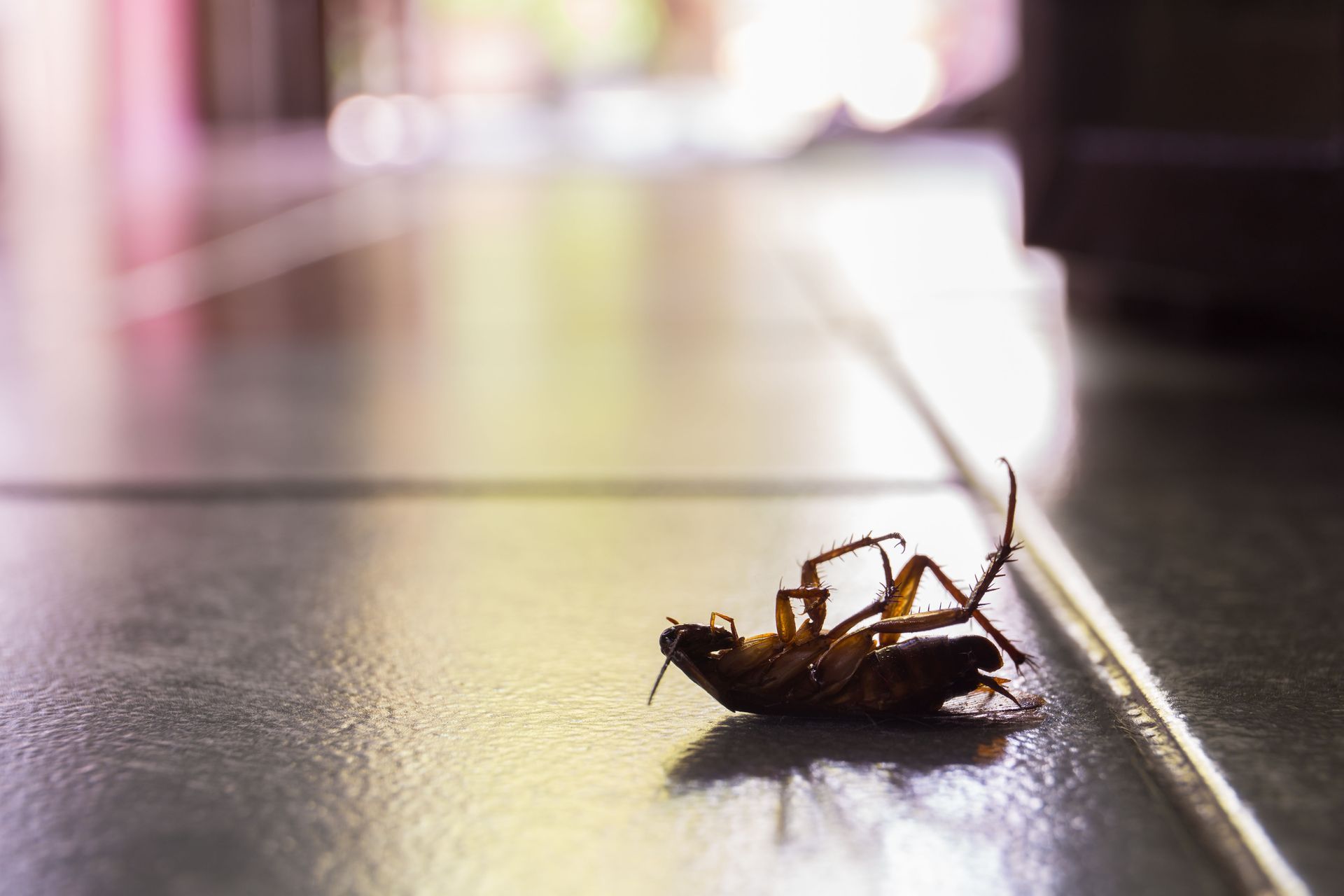
Detecting a cockroach infestation often involves spotting physical evidence long before seeing the insects themselves, as they are nocturnal. Droppings resembling coarse black pepper or small coffee grounds are commonly found near food storage areas and sinks. Heavy infestations produce a distinct, musty odor that lingers in enclosed cabinet spaces and damp basements. Homeowners may also discover shed exoskeletons and dark egg cases hidden in cabinet hinges and behind major appliances. Recognizing these signs early allows for swift action before populations multiply out of control.
Study Cockroach Life Cycles
Cockroaches progress through three distinct life stages consisting of egg, nymph, and fully developed adult. Because they are nocturnal scavengers, they spend daylight hours hiding inside dark wall crevices, emerging only at night to seek nourishment. They can survive on minimal organic matter, consuming cardboard, glue, soap scum, and stray food crumbs. Their remarkable adaptability enables them to flourish in cluttered environments with minimal resources. Understanding their nocturnal habits helps homeowners apply treatments directly to primary harborages during active hours.
Execute Cockroach Eradication Steps
Controlling cockroaches requires a combination of strict sanitation, moisture reduction, and targeted chemical applications. Cleaning behind appliances, repairing leaking pipes, and sealing food in heavy plastic containers removes vital survival resources. Applying specialized gel baits and insect growth regulators in hidden cracks helps disrupt their reproductive cycles. Integrated pest management techniques combine these steps to address the root causes of the infestation effectively. For severe outbreaks, calling experienced pest control companies ensures that hidden breeding sites are thoroughly treated.
Implement Rodent Defense Strategies
Preventing rodent intrusions begins with sealing all exterior gaps, foundation cracks, and utility line openings with steel wool and silicone caulk. Removing outdoor debris, elevated firewood stacks, and dense vegetation near foundations eliminates protective cover for traveling pests. Indoors, storing human food and pet meals in thick, airtight containers deprives rodents of easy meals. Utilizing snap traps and secure bait stations along perimeter walls helps remove remaining indoor invaders. Enlisting professional pest control companies ensures comprehensive exclusion services that permanently block future rodent access points.
Distinguish Dangerous Spider Species
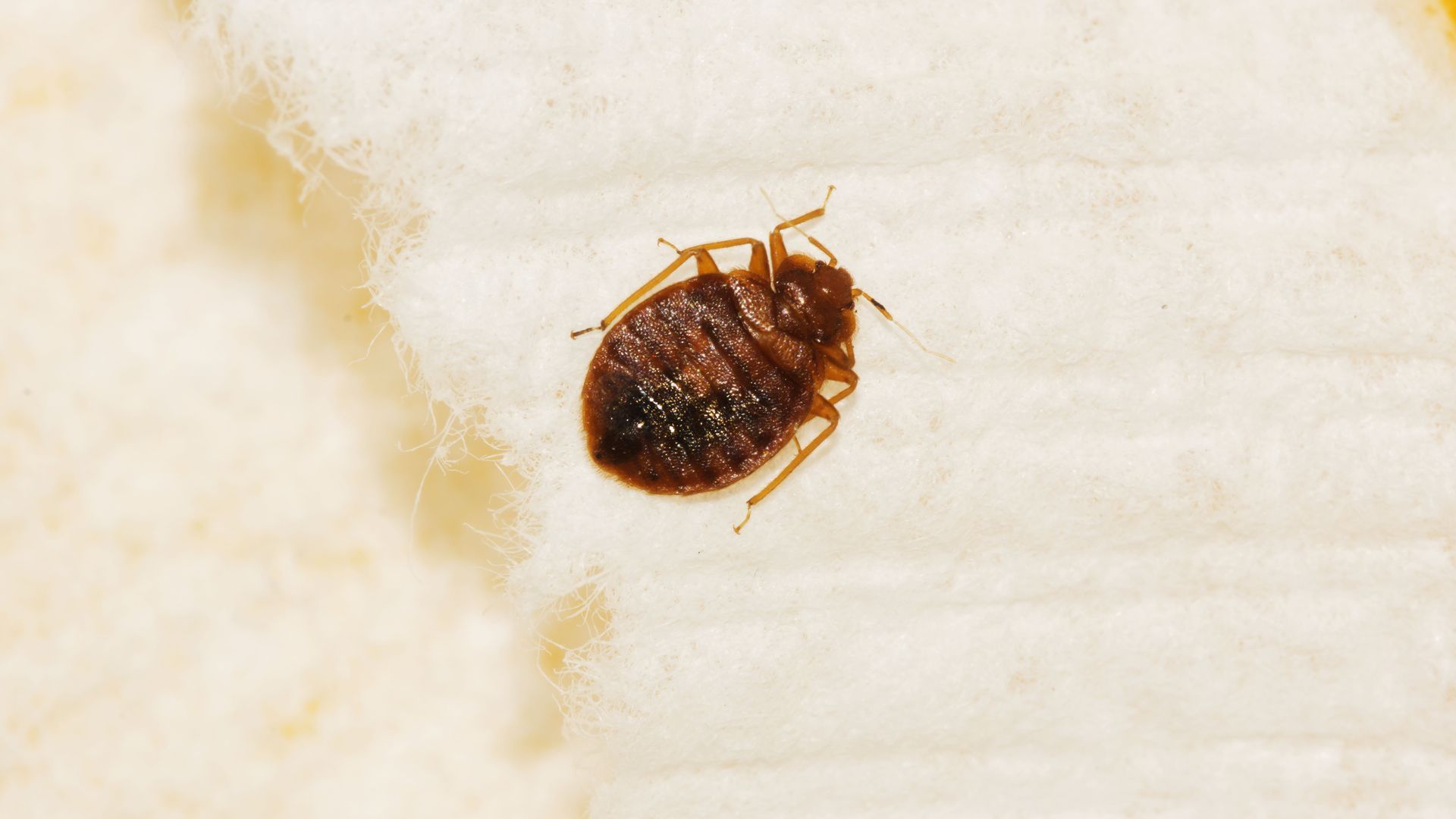
According to the CDC, bed bugs are a reddish-brown, wingless, and range from 1mm to 7mm in size, which makes them quite distinct from small, crawling arachnids like spiders. Dangerous spiders in North America include the black widow, identifiable by its shiny black body and red hourglass marking, and the brown recluse, known for its violin-shaped dorsal pattern. Venomous bites can cause painful localized reactions, severe muscle cramps, or tissue necrosis that requires prompt medical attention. When dealing with dangerous species, homeowners should avoid direct contact and seek professional help. Knowledge of these dangerous traits prevents accidental bites during cleaning routines.
Manage Indoor Spider Numbers
Controlling indoor spider populations starts with addressing the underlying insect infestations that serve as their primary food supply. Routinely sweeping down webs, vacuuming behind furniture, and dusting dark corners removes active egg sacs and habitats. Sealing gaps around windows, exterior doors, and utility vents keeps outdoor spiders from migrating inside. Applying residual perimeter treatments around foundations further deters arachnids from crossing structural thresholds. Engaging experienced pest control companies provides long-term control over both spiders and the underlying insects they hunt.
Implement Strong Termite Defenses
Preventing termite damage requires eliminating soil-to-wood contact and controlling excess moisture around property foundations. Fixing leaking spigots, maintaining proper gutter drainage, and keeping mulch away from exterior walls creates an inhospitable environment. Professional treatments utilize liquid soil termiticides or advanced baiting stations to destroy entire colonies systematic ally. Bait stations introduce slow-acting growth inhibitors that workers carry back to eliminate the reproductive queen. Partnering with professional pest control companies guarantees ongoing monitoring and comprehensive structural warranties.
Managing household pests effectively requires early identification, proactive sanitation, and dependable structural maintenance. Whether you are dealing with ants, roaches, rodents, spiders, termites, or bed bugs, taking swift action protects your family and property. For residents across Illinois and Missouri, handling persistent infestations is much easier with dedicated round-the-clock assistance. Healthy Home Pest Control & Services offers expert 24/7 emergency services, specialized rodent proofing, and TAP insulation installations to keep your living environment clean and secure. Take advantage of their senior and military discounts today by contacting Healthy Home Pest Control & Services to schedule your full residential inspection and restore peace of mind.