August 7, 2026
Termites are often referred to as "silent destroyers" because they have the ability to chew through wood, flooring, and even wallpaper undetected. Their activities can compromise the structural integrity of a building, leading to significant damage before they are ever discovered. As a result, termite control services have become pivotal in maintaining and protecting the value of properties. These services ensure that termites are detected early and dealt with efficiently to prevent costly repairs. This article delves into various aspects that underline the necessity of termite control services.
The Impact of Termites on Property Structures
Understanding Termite Behavior
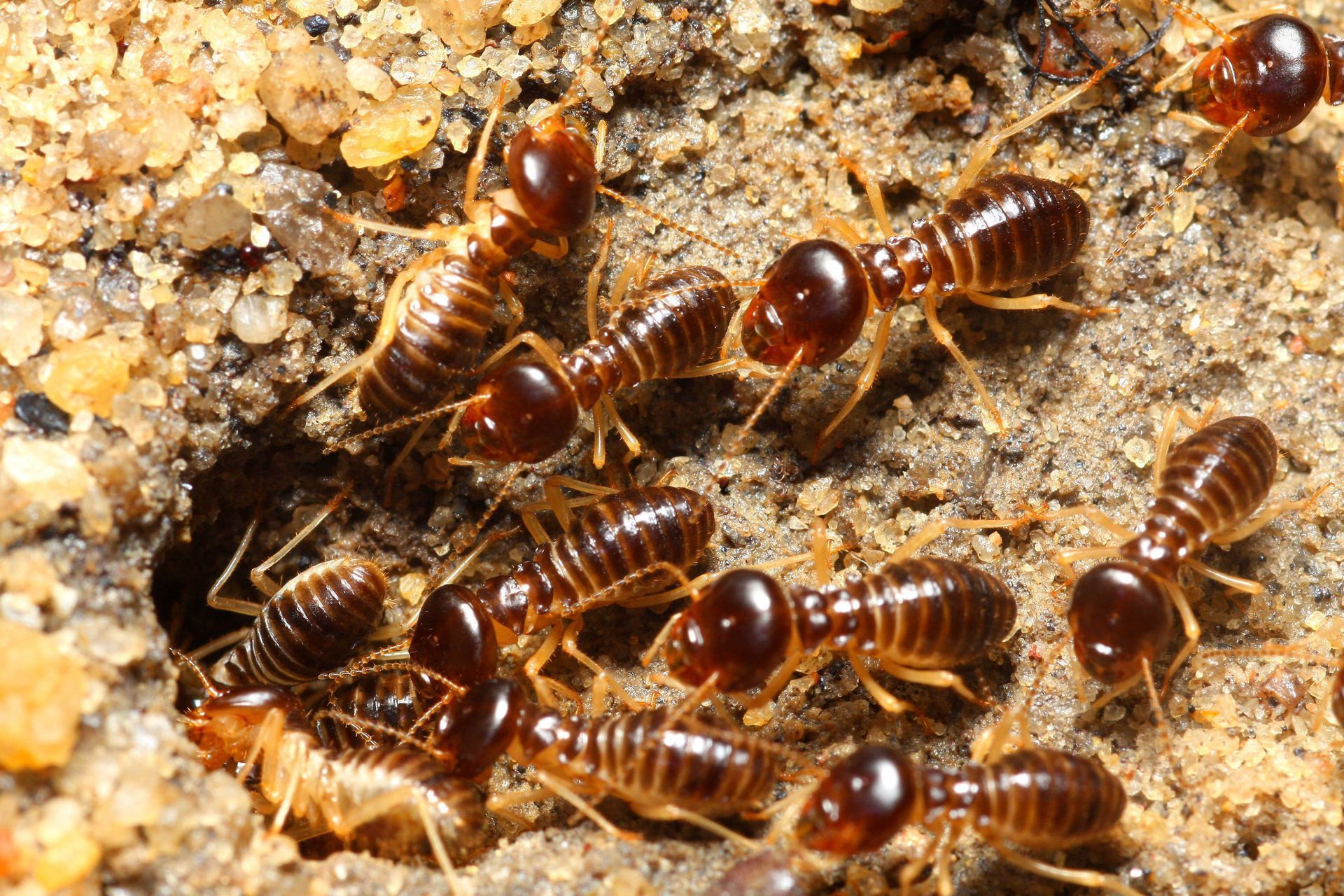
Termites primarily consume cellulose, an organic compound found in wood, paper, and other plant materials. They live in colonies that can have millions of individuals, working constantly to gather food for the colony. Often, termites gain access to homes through wood that is in contact with soil, as well as through cracks in building exteriors. Their silent and hidden nature makes them especially dangerous since homeowners are often unaware of their presence until significant damage has occurred. The complex social structure of termite colonies allows them to function efficiently and persistently, making them difficult to control without professional help.
In nature, termites play a valuable role in breaking down dead trees. However, when they invade residential and commercial areas, they become a significant threat. Properties with high moisture levels or buildings constructed using composite wood materials are particularly vulnerable to termite invasions. Termite behavior is also influenced by environmental factors, including temperature and humidity, which can make pest control challenging. Without intervention, a severe termite infestation can lead to thousands of dollars in repair costs.
Termite control specialists are trained to recognize the subtle signs of termite activity. Mud tubes, discarded wings, and wood that sounds hollow when tapped are key indicators of an infestation. Technicians will use these clues to identify affected areas and formulate an appropriate treatment plan. Effective termite control hinges on understanding the species present and their behavioral patterns. With this knowledge, professionals can combat the infestation effectively and prevent future invasions.
Structural Damage Caused by Termites
Termites cause approximately $5 billion in property damage annually in the United States alone. This figure is staggering when considering that most insurance policies do not cover termite damage, placing the financial burden on the property owner. Over time, termites can compromise the structure of buildings by eating through wood supports, beams, and frames. Structural damage can lead to safety hazards, such as sagging floors or weakened foundations, that compromise the habitability of a property. Thus, termite control services are not only about pest elimination but also about preserving property safety and value.
Professional treatments focus on both extermination and prevention, aimed at fortifying properties against future termite invasions. This may include treating soil around homes, using bait systems, and applying barriers. These methods not only eliminate existing colonies but also create a protective shield against new infestations. By addressing structural vulnerabilities, experts can help property owners safeguard their investments while minimizing the risk of costly repairs.
Common Types of Termites
In the United States, subterranean, drywood, and dampwood termites are the most common species, each having unique behaviors and preferences. Subterranean termites build elaborate mud tubes to travel between their colony and food sources, often nesting underground. Drywood termites, on the other hand, infest dry wood and can survive with less moisture, making them adept at invading wooden furniture and building structures. Dampwood termites prefer wood with high moisture content, such as fallen trees and logs, and are less likely to infest buildings. Understanding the type of termite is crucial in applying the correct control measures.
Each termite species requires different treatment strategies based on their living habits and preferred environments. For instance, subterranean termites are best dealt with using soil treatments or bait stations, which disrupt their access to resources. Drywood termite infestations may require fumigation or localized treatments in infested areas. Dampwood termites usually necessitate eliminating moisture problems and removing infested wood. A customized approach, tailored to the specific termite threat, is typically the most effective strategy.
Identifying the species involved in an infestation is the first step in crafting an effective defense against termites. Professional termite control services conduct thorough assessments and use advanced detection tools to pinpoint species and infestation severity. This precision is vital because the wrong treatment can be both costly and ineffective. By clearly understanding the type of termite, property owners can work with experts to implement robust measures that deter future infestations.
Why Early Detection is Critical
Early detection of termites is vital to prevent significant structural damage and incur further costly repairs. By identifying termite infestations early, property owners save on repair expenses and mitigate safety hazards like weakened floors and structural instability. Delayed detection often leads to spreading infestations within the property, creating a much larger problem that requires extensive treatment. Regular inspections by termite control professionals offer a preemptive solution, reducing risk and providing peace of mind. Additionally, consistent inspections can ensure that treatments remain effective and that new protective measures can be implemented as needed.
A critical reason for early detection is that termites can remain hidden for years before visible damage appears. As they silently burrow through wood, doors, and even furniture, termites can compromise a property's structural integrity and reduce its market value. The longer an infestation goes unattended, the greater the risk of incurring damage that insurance policies generally do not cover. Thus, the stakes of timely identification are high, as they directly relate to financial and safety concerns. Investing in routine termite inspections is a proactive strategy in preserving the health and longevity of property assets.
According to the U.S. Environmental Protection Agency, 75% of U.S. households used at least one pesticide product indoors during the past year, underscoring the extent to which pests, including termites, are a concern for many. However, without early detection and targeted intervention, these treatments can be ineffective against termites. By enlisting professional services specializing in early detection, property owners ensure that treatments are applied promptly and appropriately. This approach minimizes disruption and maximizes property protection by stopping infestations before they escalate into more significant challenges that require complex solutions.
Economic Consequences of Termite Infestations
Financial Costs of Repairs
Termite damage can incur significant repair costs, often amounting to thousands of dollars per affected property. Since most homeowners' insurance policies do not cover damages caused by termites, this financial burden typically falls entirely on the property owner. Repairing termite damage can involve replacing structural wood, and compromised wall materials, and refurbishing damaged furnishings. The expenses escalate as the damage extends over time before professional intervention. Hence, timely engagement with termite control services is crucial to prevent extensive, costly repairs and safeguard the property investment.
Moreover, the costs of addressing termite damage extend beyond structural repairs. Landscaping and surrounding vegetation can be impacted, requiring additional attention and expense to restore any affected gardens or lawns. Specialized contractors may be necessary to repair various elements of a building, including flooring, wall finishes, and cabinetry. Addressing the scope of termite damage can become a multifaceted endeavor, involving numerous trades and crafts. Each day an infestation remains unaddressed increases the financial burden associated with remediating its effects.
Investments in regular termite control services can prove to be significantly more cost-effective in the long run than undertaking major repair projects post-infestation. By preventing infestations and minimizing damage, property owners retain more control over their financial outlay and protect the substantial investments made in their homes. Professional termite control ensures that issues are identified and rectified before they necessitate extensive and expensive remediation efforts. As such, proactive measures in termite management offer an essential means of preserving both the value and livability of a property.
Working with experienced pest control professionals provides access to detailed inspections, targeted treatment methods, and preventive strategies designed around the property’s specific needs. Ongoing monitoring can also help identify renewed activity before another colony becomes established. By making termite prevention part of regular property maintenance, homeowners and business owners can protect their buildings, finances, and peace of mind for years to come. Call Healthy Home Pest Control & Services today.