May 12, 2026
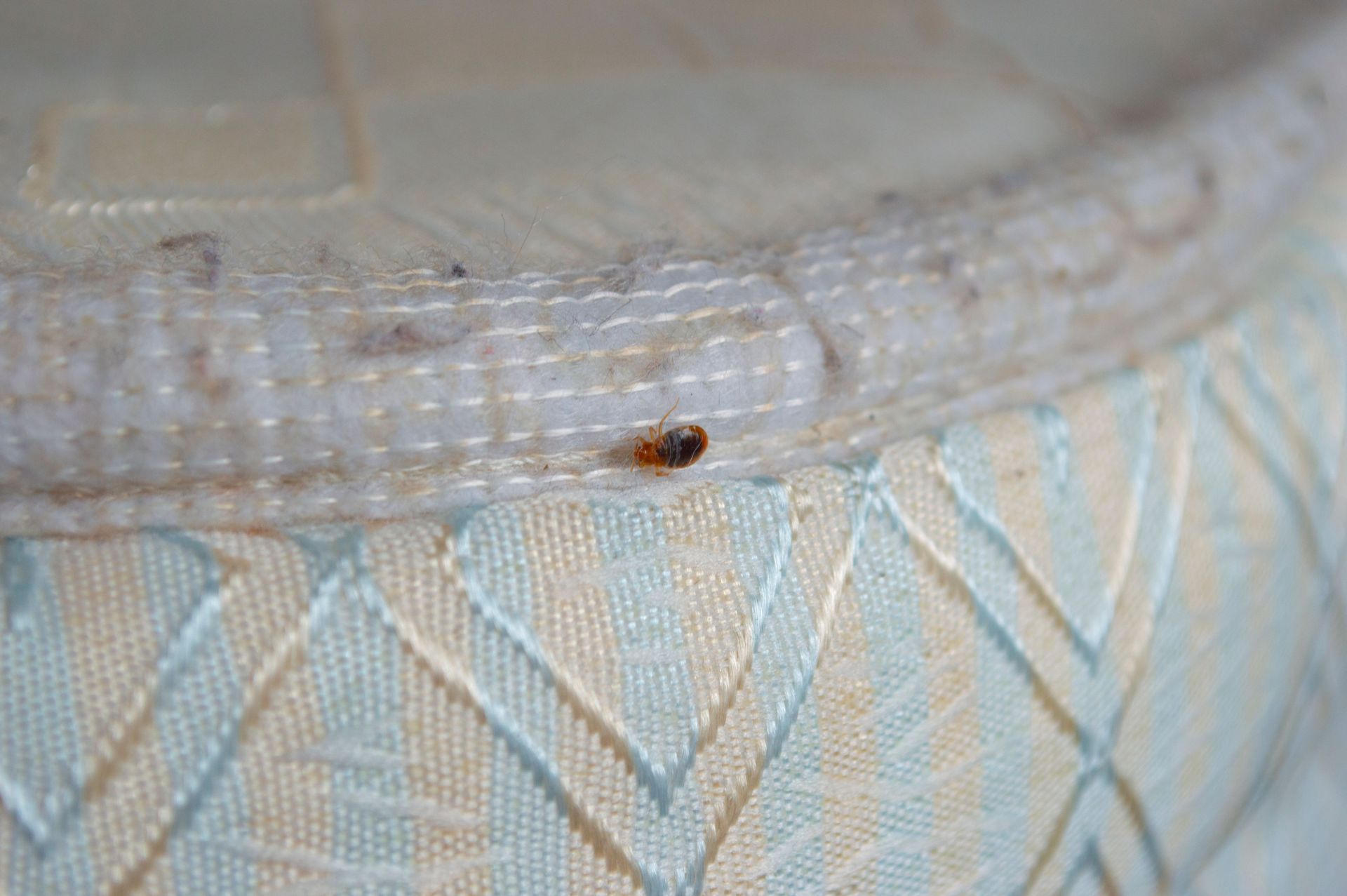
Bed bugs are among the most persistent household pests, and their ability to spread quickly often surprises homeowners. These small insects are skilled at hiding in tight, hard-to-reach spaces such as mattress seams, furniture joints, baseboards, and even behind wallpaper. Because they are nocturnal, they often go unnoticed while feeding at night, which allows infestations to grow silently over time.
Many people do not realize there is a problem until bites or other visible signs appear. By that point, the population may already be well established in multiple areas of the home. Understanding how quickly they reproduce and spread is essential for effective control. Taking early action significantly improves the chances of eliminating them before they become widespread.
Understanding Rapid Reproduction and Growth Patterns
One of the main reasons bed bugs spread so quickly is their reproductive ability and short life cycle. A single female can continue laying eggs consistently throughout her life once she has been fertilized. These eggs are extremely small and often placed in hidden locations, making them difficult to detect without close inspection. After hatching, nymphs begin feeding almost immediately, continuing the cycle of growth and reproduction.
This rapid development allows populations to expand quickly when conditions are favorable. According to Forbes, a female bed bug typically lays 200 to 250 eggs during her lifespan of three to four months, which highlights how rapidly an infestation can grow when left untreated. Because of this reproductive rate, even a small initial problem can escalate into a major infestation in a short period. Timely bed bug treatments are essential to interrupt this cycle before it spreads further.
Identifying Common Signs of Infestation Early
Early detection is one of the most effective ways to manage bed bugs before they spread extensively. One of the most common signs is the presence of small, itchy bites that often appear in clusters or lines on exposed skin. These bites may not always be immediately noticeable, which can delay identification of the issue.
Another indicator is the appearance of dark spotting on sheets, mattresses, or nearby furniture, which can be the result of droppings. Shed skins and tiny eggshells may also be found in areas where bed bugs hide. A faint, musty odor in heavily infested spaces can be another warning sign. Carefully inspecting sleeping areas and furniture can help confirm suspicions early. Prompt bed bug treatments greatly increase the likelihood of complete removal before the infestation spreads further.
Explaining How Bed Bugs Spread Between Spaces
Bed bugs are highly mobile and capable of spreading between rooms and even between units in shared buildings. They often travel by attaching themselves to clothing, luggage, backpacks, or used furniture. This makes travel and secondhand items common sources of new infestations. Once inside a structure, they can move through small cracks, wall voids, and electrical outlets to reach new areas.
Their ability to remain hidden during movement makes them especially difficult to track. Multi-unit housing environments are particularly vulnerable due to shared structural elements. Preventive bed bug treatments can help reduce the risk of spread in these environments. Understanding their movement patterns is key to limiting how far and how quickly they travel.
Highlighting Risks of Delayed Treatment
Delaying treatment allows bed bug populations to grow unchecked, increasing both the severity and cost of removal. What may begin as a small, localized issue can quickly spread to multiple rooms or floors. As populations grow, bites become more frequent and noticeable, leading to discomfort and sleep disruption. Emotional stress is also common, as infestations can feel overwhelming and difficult to control.
Many DIY approaches fail because they do not reach hidden eggs or deeply concealed insects. Professional bed bug treatments are designed to address all life stages, making them more effective than surface-level solutions. Waiting too long often results in more extensive damage to furniture and living spaces. Acting quickly is the most effective way to minimize long-term disruption.
Describing Professional Inspection and Detection Methods
Professional pest control services rely on detailed inspection techniques to accurately assess infestations. Technicians carefully examine common hiding places such as mattresses, box springs, headboards, and furniture seams. They also inspect baseboards, electrical outlets, and other concealed areas where pests may reside. Specialized tools may be used to detect activity in areas that are difficult to see with the naked eye.
These inspections help determine the size and spread of the infestation. Accurate detection is essential for developing effective bed bug treatments tailored to the situation. Without a thorough inspection, treatments may miss key areas where pests remain active. This step ensures that no part of the infestation is overlooked during removal.
Detailing Effective Treatment Approaches Used by Experts
Professional treatment strategies often involve a combination of methods to ensure complete elimination. Heat treatments are commonly used because they can penetrate furniture and hidden spaces where bed bugs hide. Chemical treatments are also applied strategically to target remaining insects and prevent reinfestation.
Vacuuming and steam treatments may be used as part of a comprehensive approach. Each method targets different stages of the bed bug life cycle, increasing overall effectiveness. Follow-up visits are often necessary to ensure that all pests have been eliminated. Integrated bed bug treatments provide a more reliable solution than single-method approaches. Consistency in treatment is essential for long-term success.
Emphasizing Prevention and Long-Term Protection
Preventing future infestations is just as important as eliminating existing ones. Regular inspections of sleeping areas, furniture, and luggage can help detect early signs before they spread. Reducing clutter makes it easier to identify potential hiding spots and maintain cleanliness. Protective mattress and box spring covers can also reduce hiding opportunities.
Care should be taken when bringing used furniture into the home, as it may harbor pests. Ongoing bed bug treatments may be recommended in high-risk environments to maintain protection. Awareness and vigilance play a key role in prevention. Consistent preventive measures help maintain a safe and comfortable living space.
Supporting Recovery and Restoring Comfort After Infestation
Recovering from a bed bug infestation involves both physical cleanup and emotional relief. Cleaning and sanitizing affected areas helps restore a sense of normalcy in the home. In some cases, heavily infested items may need to be removed or professionally treated. Washing bedding and clothing at high temperatures can help eliminate any remaining pests.
Emotional stress may persist even after the infestation is resolved, making reassurance important. Professional guidance ensures that all areas have been properly treated and inspected. Effective bed bug treatments help restore comfort and confidence in the living environment. Follow-up inspections provide additional peace of mind that the problem has been fully addressed.
Strengthening Long-Term Monitoring and Maintenance Habits
Long-term success in managing bed bugs depends on ongoing monitoring and maintenance habits. Regularly checking sleeping areas and furniture can help detect any early signs of recurrence. Keeping living spaces organized reduces potential hiding spots and makes inspections easier. Travel precautions, such as inspecting luggage after trips, can help prevent reintroduction. Routine professional inspections may be beneficial in high-risk environments.
Staying consistent with preventive measures significantly reduces the chances of reinfestation. Continued bed bug treatments may be recommended in certain situations for added protection. Building strong maintenance habits ensures long-term comfort and peace of mind. Bed bugs spread quickly, but with the right knowledge and timely intervention, they can be controlled effectively. Understanding how they reproduce, move, and survive helps homeowners take proactive steps toward prevention and elimination.
Healthy Home Pest Control & Services provides comprehensive solutions designed to target infestations at every stage. Our experienced team uses proven methods to deliver reliable and lasting results. Contact Healthy Home Pest Control & Services today to schedule an inspection and take the first step toward a pest-free home.