February 6, 2026
Termites are one of those homeowner nightmares that tend to stay hidden until the damage is already done. Unlike a leaking pipe or a broken window, termite activity often happens quietly behind walls, under floors, and inside wooden structures you rarely inspect closely. That is why many homeowners do not realize they have a problem until repairs become expensive and disruptive.
Knowing the early warning signs can make a major difference in protecting your home. When caught early, termite issues are far easier to manage and far less stressful. By understanding what to look for, you can take action sooner and determine when it is time to call for professional termite control services.
1. You Notice Discarded Wings Around the Home
One of the earliest and most overlooked signs of termites is the presence of discarded wings. Reproductive termites, also called swarmers, shed their wings after finding a place to start a new colony. These wings are often found near windowsills, door frames, baseboards, or other entry points into the home. Their appearance around these areas usually means that swarmers have recently entered your living space.
Many homeowners mistake these wings for debris from flies or other insects. However, termite wings are usually uniform in size and shape, which sets them apart from most other pests. Finding small piles of these wings indoors is a strong indicator that termites may already be active nearby. If you find them, it is wise to photograph and document the locations before cleaning up.
Swarming typically occurs during warmer months, especially after rain. While seeing swarmers outside is not always a problem, finding wings inside your home should not be ignored. This is often one of the clearest signals that professional termite control services may be needed. Contacting a professional at this point can prevent a minor incident from developing into a full-blown infestation.
Ignoring discarded wings can allow a newly formed colony to grow undisturbed. Since termites reproduce quickly and remain hidden, delaying action can lead to structural damage before visible signs appear. Early detection at this stage can save homeowners significant repair costs later. In severe cases, untreated infestations can compromise the safety and stability of key structural components.
2. You Spot Damaged or Hollow-Sounding Wood
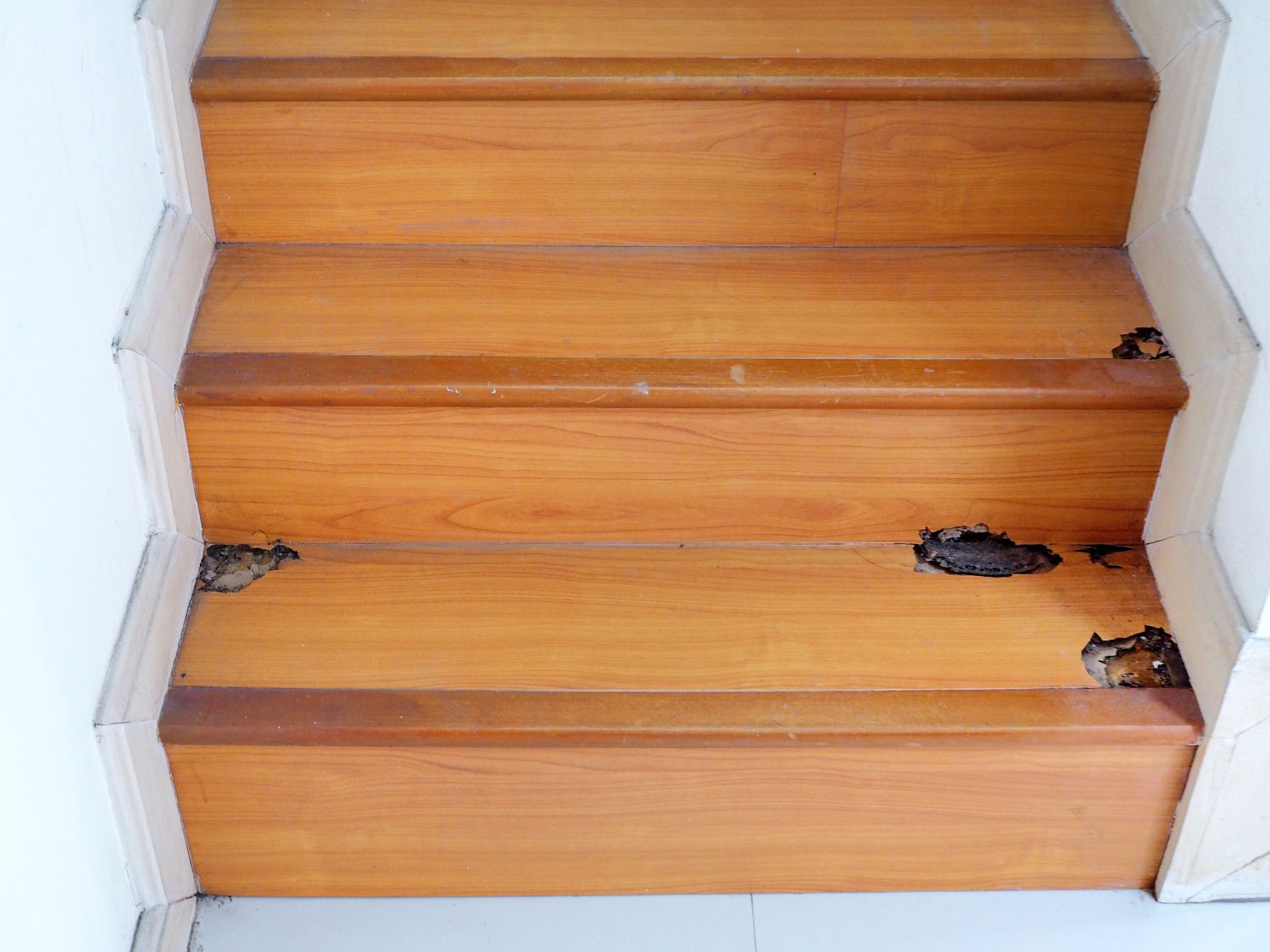
Wood damage is one of the most common signs associated with termites, but it can be difficult to recognize at first. Termites consume wood from the inside out, which means surfaces may appear normal while the interior is compromised. Tapping on wood that sounds hollow or feels unusually soft can be an important clue. Paying attention to these subtle changes can help catch termite activity before it spreads extensively.
You may notice blistering or bubbling paint on wooden surfaces, which can resemble water damage. In some cases, wood may appear warped or cracked without an obvious cause. These changes can occur in floors, baseboards, window frames, or structural beams. What may seem like routine wear and tear could actually indicate an active termite presence.
Termites are constantly feeding, and a single colony can consume a surprising amount of wood over time. According to the National Wildlife Federation, termite queens can live for over 20 years, allowing a colony to remain active and destructive for decades if left untreated. This long lifespan makes early detection even more important. Unchecked colonies often spread to nearby wooden structures, compounding the damage throughout the property.
If you suspect wood damage, it is important not to disturb the area too much. Breaking open damaged wood can cause termites to relocate and spread further into the home. A professional inspection can confirm the presence of termites and determine whether termite control services are necessary. Professionals can use specialized tools, such as moisture meters and infrared scanners, to detect activity without causing further disruption.
3. You Find Mud Tubes Along Foundations or Walls
Mud tubes are one of the most unmistakable signs of subterranean termite activity. These narrow, tube-like structures are made from soil, saliva, and wood particles. Termites use them to travel between their colony and food sources while staying protected from air and light.
You will most often find mud tubes along foundation walls, crawl spaces, basements, or exterior siding. They may also appear along interior walls in severe infestations. Even a single mud tube can indicate an active colony nearby. It’s helpful to gently photograph the tubes before removal for record-keeping and evaluation by a professional.
Homeowners sometimes scrape away mud tubes without addressing the underlying problem. While this may temporarily remove visible evidence, it does not eliminate the termites themselves. In fact, termites can rebuild these tubes quickly if the colony remains active. Because of this, physical removal alone is never an effective treatment for termite infestations.
Seeing mud tubes is a strong sign that professional termite control services should be considered immediately. These structures typically indicate an established colony that has already found a consistent food source. Prompt treatment can prevent further damage and stop the infestation from spreading. Ignoring mud tubes for even a few weeks can give termites time to expand deeper into your home’s framework.
4. You Observe Doors and Windows That Stick
Sticking doors and windows are often blamed on humidity or the normal settling of a home. While those factors can certainly play a role, termite activity can also cause this issue. As termites damage wooden frames, the structure can warp and shift over time. This subtle movement can go unnoticed until small alignment issues become more severe.
You may notice that doors no longer close properly or windows become difficult to open. In some cases, the frames may appear swollen or uneven. These changes can happen gradually, making them easy to overlook until the problem becomes inconvenient. If several doors or windows show the same issue, termites may be weakening the surrounding wood simultaneously.
Moisture created by termite activity can also contribute to these symptoms. Termites bring moisture into the wood they consume, which can cause the surrounding areas to expand. This moisture can worsen the damage and attract additional pests. Excess dampness can even encourage mold growth, further complicating repair efforts.
If sticking doors or windows appear alongside other warning signs, it is wise to investigate further. While not every case points to termites, this symptom, combined with others, often suggests it is time to explore professional termite control services. Prompt inspection can clarify whether the problem is structural, environmental, or pest-related.
Termites rarely make their presence obvious, which is why so many infestations go unnoticed for long periods of time. Discarded wings, damaged wood, mud tubes, and sticking doors or windows are all signs that something may be happening beneath the surface. Recognizing these indicators early gives homeowners a valuable opportunity to act before damage becomes extensive.
If you notice one or more of these warning signs, it does not automatically mean your home is beyond help. It does mean that a professional evaluation is a smart next step. Reliable termite control services can identify the extent of the issue and recommend effective solutions to protect your home.
At Healthy Home Pest Control & Services, we’re dedicated to helping homeowners protect their property before termites cause lasting damage. Contact us today to schedule an inspection and learn how our termite control services can keep your home safe and secure.