March 11, 2026
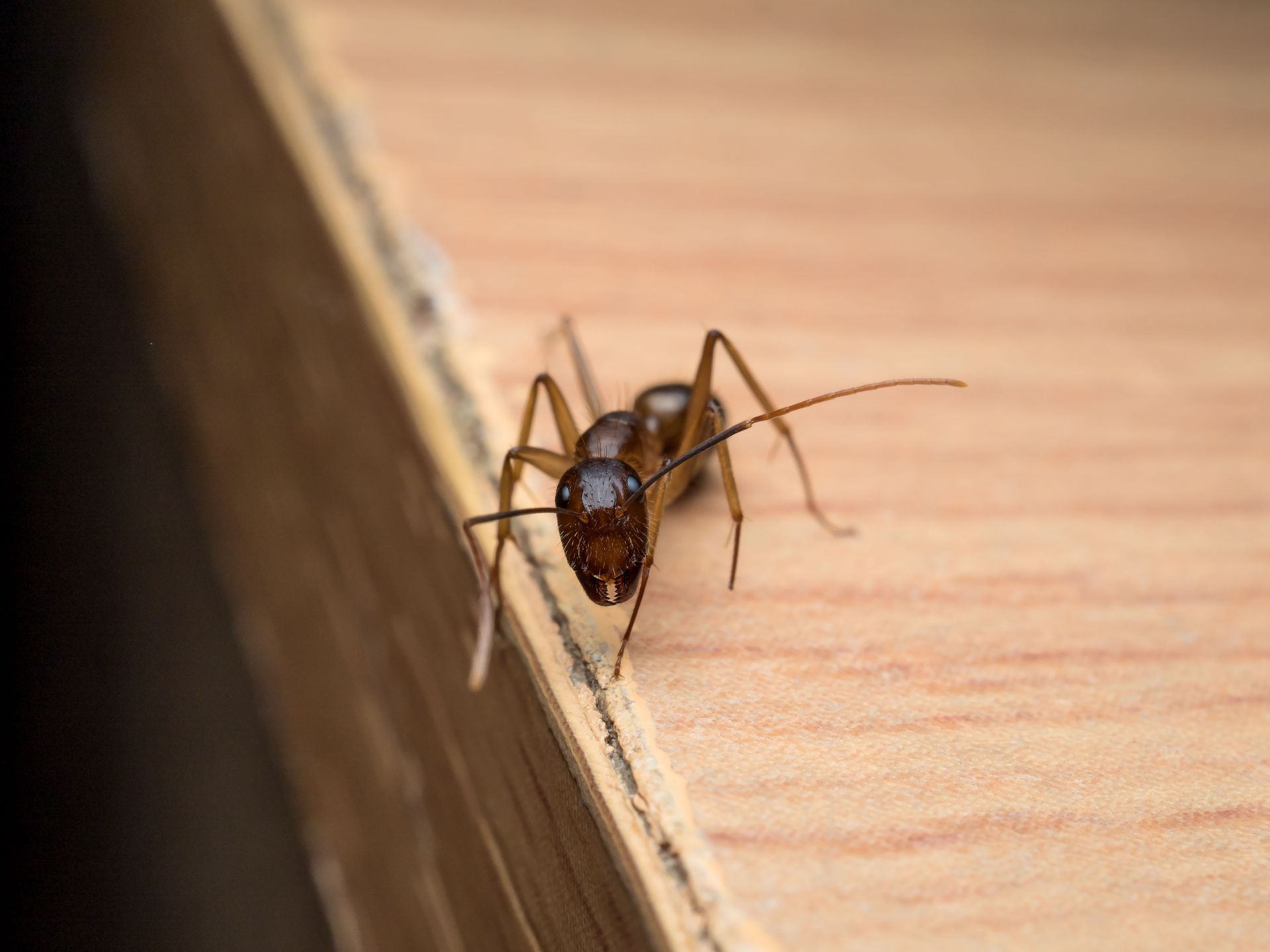
Carpenter ants may seem harmless at first glance, especially when they’re first spotted trailing along your baseboards or in the backyard mulch. You may assume they are merely nuisance pests—much like any other ant species—until the signs of an underlying problem become too obvious to ignore. However, unlike sugar ants or pavement ants, carpenter ants don’t just forage for food; they chew and tunnel through wood to build their colonies. This behavior can lead to serious structural damage in homes and buildings over time, especially if the infestation goes unnoticed or untreated.
Recognizing when a carpenter ant situation has crossed the line from manageable to problematic is crucial. Many homeowners attempt DIY solutions in the early stages, unaware that these methods often only address surface symptoms, not the colony’s heart. Explore the top four indicators that signal it’s time to call in professional pest control services.
1. You See Wood Shavings or Frass Near Structural Timber
One of the most telltale signs of an active carpenter ant infestation is the presence of wood shavings or frass near wooden structures. Unlike termites, which consume wood, carpenter ants excavate galleries and push out debris. This debris, called frass, resembles sawdust but often includes bits of dead insects, soil, and tiny wood fragments.
Finding frass near door frames, window sills, or floorboards means that ants are actively tunneling inside your walls or structural timbers. Homeowners often mistake these shavings for normal dust or leftover debris from a recent repair job. However, if you notice fresh mounds of wood fragments that seem out of place, especially in combination with other signs, you should remain alert.
Carpenter ants typically nest in moist or decaying wood first, but once established, they move into sound wood, expanding their galleries. It’s not just cosmetic damage; over weeks and months, these tunnels can weaken beams, joists, and supports. While you might be tempted to sweep up the mess and forget about it, persistent frass is a warning that the colony may be deep within your home.
Professional pest control services have the tools and experience to trace the source of frass and determine the size and location of the nest. They don’t just eliminate visible ants; they locate and treat the primary nest sites, preventing further structural compromise.
2. You Find Large Black or Red Ants Inside
Seeing ants inside the house is never a good sign, but frequent sightings of large black or red carpenter ants are concerning. These ants are significantly larger than common house ants, with workers ranging from about ¼ to ½ inch in length. They often forage indoors at night but can be active during the day if food sources are scarce.
When you begin to notice them regularly along baseboards, near windows, under sinks, or around pet food dishes, it means more than just a stray scout has wandered in. Ants inside usually indicate that a colony is nearby, possibly within the structure. While it is possible for ants to be coming from outdoor nests, repeated indoor activity suggests they’ve found a way into your living space.
These sightings often occur in conjunction with other signs, such as rustling noises in walls or moisture issues in certain areas of the home. Home remedies like ant baits placed on countertops may provide temporary relief, but they rarely stop the source. Carpenter ant colonies can contain thousands of workers, and unless the primary nest is located and treated, indoor activity will continue.
Professional pest control technicians can differentiate carpenter ants from harmless species and use targeted methods to eradicate them, reducing the chances of reinfestation. If you find yourself brushing away ants on a daily basis, it’s a clear signal that the problem is bigger than a simple nuisance.
3. You Also Have Moisture Problems
Carpenter ants are attracted to moisture because it often softens wood, making it easier to excavate nests. Areas with plumbing leaks, roof leaks, condensation buildup, or poor ventilation are ideal spots for carpenter ants to settle and expand their colonies. If you have recently discovered damp areas in your home and also notice ant activity, the two issues may be related.
Damp wood can deteriorate over time, and carpenter ants are quick to take advantage of softened materials. Bathrooms, basements, crawl spaces, and areas around water heaters are common trouble spots. The presence of mold or mildew alongside ants increases the likelihood that carpenter ants are nesting in compromised wood. These environments create perfect conditions not just for ants, but for accelerated structural damage.
Many homeowners treat the symptoms, such as fixing leaks or improving ventilation, without addressing the ant infestation. While correcting moisture issues is crucial, it won’t eliminate an existing carpenter ant colony. In fact, failing to treat the colony while improving conditions may inadvertently make it easier for the ants to spread into previously harder-to-access, dry wood.
Professionals inspect both the environmental conditions and the extent of the ant infestation. They can offer comprehensive solutions that combine moisture control with targeted pest elimination. Ignoring the combination of water problems and ant activity could lead to costly repairs and persistent pest issues.
According to IBISWorld, the market size of the U.S. pest control industry grew at a CAGR of 5% from 2020 to 2025, reflecting an increased awareness among homeowners about the importance of professional pest management, especially for issues like carpenter ant infestations that can have significant long-term impacts if left unaddressed.
4. You Hear Strange Noises in Wooden Structures
Many homeowners overlook auditory clues when diagnosing pest problems, but unusual sounds coming from walls, ceilings, or floors can be significant. Carpenter ants are active at night, and when large colonies are present, the continuous movement and excavation can create soft clicking or rustling noises. While these sounds are subtle at first, they become more noticeable over time as the colony expands.
Another related sign is a hollow sound when tapping on wooden beams or baseboards. Carpenter ants create extensive tunnels inside wood that can make structural elements sound hollow or less dense than they should. While not every hollow-sounding board means ants are present, when combined with other signs like frass and visible ant activity, it points to a deeper infestation.
These auditory and tactile indicators are easy to dismiss or attribute to other causes, like settling foundations or plumbing. But when you find yourself questioning the sounds or feel of your woodwork, it’s worth further investigation. Catching the problem at this stage can prevent irreversible damage to critical parts of your home.
A professional carpenter ant inspector can assess these signs accurately, using both experience and specialized pest control tools, such as moisture meters, borescopes, and thermal imaging cameras. Their evaluation will clarify whether the sounds are due to pest activity or unrelated issues, giving you confidence in the next steps.
Carpenter ant infestations are more than just an inconvenience. The damage they cause is structural, hidden, and often progressive. By paying attention to clear and consistent indicators, such as wood shavings, frequent indoor sightings, moisture problems, and unusual noises, you can identify when the problem needs expert attention. Early recognition is vital to prevent costly damage to your home.
Enlisting a professional carpenter ant control service not only removes existing colonies but also helps protect your home’s long-term integrity. Pest control professionals bring expertise, effective treatment options, and peace of mind.
Protect your home before carpenter ants cause costly damage. Contact our team at Healthy Home Pest Control & Services today for professional pest control solutions to keep your living space safe and comfortable.